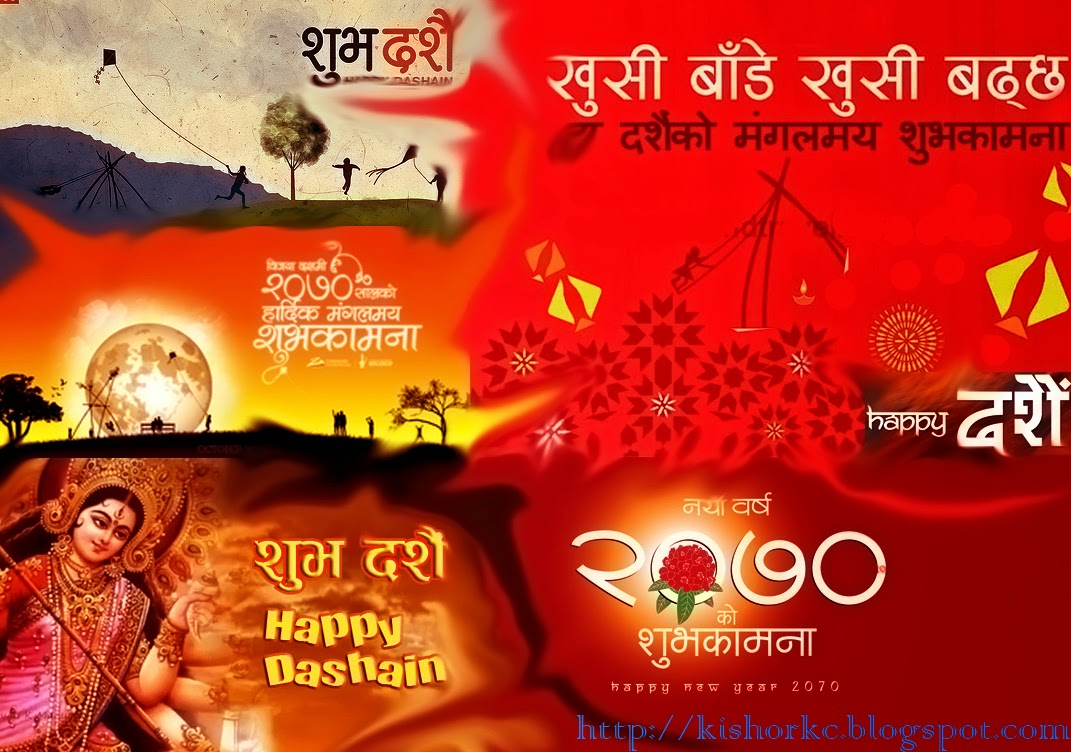
Simple and effective way to chanting mantras everyday


Mantras can be chanted at any time of the day, but some specific times have been noted as specifically beneficial. Mornings, called “Brahm Muhurt” between 3am to 6am is said to be very peaceful for this purpose. Dusk time, between 4pm to 6pm is also a good time to do some chanting. It is also a good practice if one decides and fixes a specific time for this purpose, as per convenience, everyday. Here are the simple step which show which mantra is best for the 
time.


OPENING PRAYERS

1.Please chant 3 times - (Om)

      ॐ ॐ ॐ 


2.(Prayer to Ganesha)
शुक्लाम्बरधरं विष्णुं शशिवर्णं चतुर्भुजम् ।
प्रसन्नवदनं ध्यायेत् सर्वविघ्नोपशान्तये ॥
Shuklambara Dharam Vishnum
Shashivarnam Chatur Bhujam
Prasanna Vadanam Dhyayet
Sarva Vignopa Santaye
Meaning: Lord Vigneshwara, who wears a white garment, who is all pervading, who has a bright complexion (like a full moon), who has four hands (representing all power), who has an ever-smiling face, upon that deity I meditate, for the removal of all obstacles.

3.(Prayer to the Lord)
ॐ असतो मा सद्गमय ।
तमसो मा ज्योतिर्गमय ।
मृत्योर्मा अमृतं गमय ।
ॐ शान्तिः शान्तिः शान्तिः ॥
Om. Asato Maa Sadgamaya.
Tamaso Maa Jyotirgamaya.
Mrityormaa’mritam Gamaya.
Meaning: Oh lord, lead me from untruth to truth, from darkness to light, from death to immortality.

4.(Prayer to the Teacher)
गुरुर्ब्रह्मा गुरुर्विष्णुर्गुरुर्देवो महेश्वरः ।
गुरुरेव परं ब्रह्म तस्मै श्रीगुरवे नमः ॥१॥
Gurur Brahmaa Gurur Vishnu, Gurur Devo Maheshvarah;
Gurur Sakshaat Parabrahma, Tasmai Shri Guruve Namah.
Meaning: The Guru is Brahma (the creator within Hindu Trinity); the Guru is Vishnu (the preserver); the Guru is Shiva (the final dissolver of the universe); the Guru alone is the Supreme Brahman, The Absolute. To Him, the great Guru, I offer my salutation.

5.(Peace Prayer)
ॐ सह नाववतु ।
सह नौ भुनक्तु ।
सह वीर्यं करवावहै ।
तेजस्वि नावधीतमस्तु मा विद्विषावहै ।
ॐ शान्तिः शान्तिः शान्तिः ॥
Om Sahana Vavatu Sahana Bhunattu
Saha Viryam Karawavahai
Tejasvinavaditamastu
Ma Vidvishavahai
Om Shanti Shanti Shanti Om

Meaning: Together may we be protected
Together may we be nourished
Together may we work with great energy
May our journey together be brilliant and effective
May there be no bad feelings between us
Peace, peace, peace

       SLOKAS
6 GANESHA
वक्रतुण्ड महाकाय सुर्यकोटि समप्रभ
निर्विघ्नं कुरु मे देव सर्वकार्येषु सर्वदा
Vakratunda Mahakaaya
Suryakoti Samaprabha
Nirvighnam Kuru Mey Deva
Sarva Kaaryeshu Sarvada 
Meaning:The Lord with the curved trunk and a mighty body, who has the luster of a million suns, I pray to thee Oh Lord, to remove the obstacles from all the actions I intend to perform.

7. (Morning Prayers)
कराग्रे वसते लक्ष्मिः करमध्ये सरस्वति ।
करमूले तु गोविन्दः प्रभाते करदर्शनम् ॥
Karagre Vasate Lakshmi Karmadhye Saraswati
Karmule Tu Govindaha Prabhaate Karadarshanam

Goddess Lakshmi is the symbol of wealth. Goddess Saraswati represents knowledge. Govinda is the God of Power. Hand is the symbol of human effort. So by placing the three divine powers on the tips, in the middle and at the base of the hand, this shloka suggests that all the divinity lies in human effort. Thus this shloka supports the need of human effort and self confidence.

8 . Bath time:
गङ्गेच यमुने चैव गोदावरी सरस्वति ।
नर्मदा सिन्धु कावेरी जलेऽस्मिन् संनिधिं कुरु ॥
Gange cha Yamune chaiva Godavari Saraswati, 
Narmade Sindhu Kaveri jalesmin sannidhim kuru 

Meaning: In this water, I invoke the presence of holy waters from the rivers Ganga, Yamuna, Godavari, Saraswati, Narmada, Sindhu and Kaveri


9. WHILE LIGHTING LAMP(MORNING)
शुभं करोति कल्याणमारोग्यं धनसंपदा ।
शत्रुबुद्धिविनाशाय दीपज्योतिर्नमोऽस्तुते ॥
ShubhaM karoti kalyaaNaM
AaarogyaM dhanasaMpadaa .
Shatrubudhdivinaashaaya
Diipajyoti namo.astute ..
I salute the One who is the lamplight that brings auspiciousness, prosperity, good health, abundance of wealth, and the destruction of the intellect's enemy 

10 WHILE LIGHTING LAMP(EVENING)
दीपज्योती परब्रह्मा

दीप सर्व तमोपहह

दीपेन साध्यते सरम

सन्ध्या दीपो नमोस्तुते
Deepajyothi parabrahma
Deepa sarva tamopahaha
Deepena saadhyate saram
Sandhyaa deepo namostute

11. Study time:
सरस्वती नमस्तुभ्यम

  वरदे कामरुपिनी 

 विद्यारम्भम करीश्ह्यामी 

 सिद्धिर्भवतु मी सदा
Sarasvatii namastubhyam 
Varade kaamaruupini 
Vidyaarambham Karishhyaami 
Siddhirbhavatu me sadaa

Meaning: Oh Bhagawati Saraswathi, I bow to you, the fulfiller of my wishes. I begin my studies seeking your blessings so that I shall always be successful.

12. FOOD(MEAL TIME)

ब्रह्मार्पनम ब्रह्मा हविर

 ब्रह्माग्नौ ब्रह्मना हुतम

 ब्रह्मैव ते न गन्तव्यम

 ब्रह्मा कर्मा समाधिनह 

Brahmaarpanam Brahma Havir
Brahmaagnau Brahmanaa Hutam
Brahmaiva Tena Gantavyam
Brahma Karma Samaadhinaha 
In the term Brahmaarpanam the word Arpana refers to the long spoon. So Brahma is the spoon. He is also the oblation or Havis. He is the fire, the person who sacrifices, the sacrifice itself as well as the goal to be reached. That person who sees the Lord while doing the act is Brahma- karmasamadhina. This is possible by being happy in any action and getting only happiness in action. Sadhana is to enjoy every action, small or big--- Swami Chinmayananda 


13. Night Prayer (BED TIME)

रामस्कन्धम हनुमन्तम |

 वैनतेयम व्रिकोदरम ||

 शयनेय स्मरेन्नित्यम | 

दुस्वप्नम तस्य नश्यती ||

ramaskandham hanumantam |
vainateyam vrikodaram ||
shayaneya smarennityam |
dusvapnam tasya nashyati ||


Meditating upon Hanumanta, Bhima and Garuda before going to bed ensures a sleep without disturbing dreams.


14 ( SLOKA ON SHIVA)

तत्पुरुशाय विध्महे महादेवआय

धीमही तन्नो रुद्रह प्रचोदाँयात

Tathpurushaaya Vidhmahe Mahadevaaya Dheemahi
Thanno Rudra(h) Prachodayaath

15 ( SLOKA ON SHIVA)
ॐ त्र्यम्बकं यजामहे 
सुगन्धिं पुष्टिवर्धनम्
उर्वारुकमिव बन्धनान् 
मृत्योर्मुक्षीय मामृतात् ॥

Om Trayambakam Yajaamahe 
Suganghim Pushtivardhanam
Urvaarukmiva Bandhanaan 
Mrityor Mokshiya Mamritaat
[The meaning of the Mantra is as follows:]
I worship thee, O sweet Lord of transcendental vision (the three -eyed one or Lord Siva). O giver of prosperity to all, may I be free from the bonds of death, even as a melon (or cucumber) is severed from its bondage or attachment to the creeper.


16 SLOKA ON RAMA
राम रामेति रामेति रमे रामे मनोरमे ।
सहस्रनाम तत्तुल्यं रामनाम वरानने ॥
Sri Rama Rama Rameti
Rame Raame Manorame
Sahasra Nama Tat Tulyam
Rama Nama Varanane
Lord Shiva told this shloka to Parvati I meditate upon Sri Ram as Sri Rama Rama
Rama, the thrice recital of Rama’s name is equal to Recitation of the thousand
names of Lord Vishnu (Vishnu Sahasranama)

CLOSING PRAYERS
17
ॐ सर्वेशां स्वस्तिर्भवतु ।
सर्वेशां शान्तिर्भवतु ।
सर्वेशां पुर्णंभवतु ।
सर्वेशां मङ्गलंभवतु ।
ॐ शान्तिः शान्तिः शान्तिः ॥
Sarveshaam Svastir Bhavatu
Sarveshaam Shaantir Bhavatu
Sarveshaam Purnam Bhavatu
Sarveshaam Mangalam Bhavatu

May good befall all,
May there be peace for all,
May all be fit for perfection, and
May all experience that which is auspicious.

18
ॐ सर्वे भवन्तु सुखिनः
सर्वे सन्तु निरामयाः ।
सर्वे भद्राणि पश्यन्तु
मा कश्चिद्दुःखभाग्भवेत् ।
ॐ शान्तिः शान्तिः शान्तिः ॥

Sarve Bhavantu Sukhinah
Sarve Santu Niramayaah
Sarve Bhardrani Pashyantu
Maa Kadhchit Duhkhabhahg Bhavet
May all be happy. May all be healthy.
May all experience what is good and
let no one suffer

19
ब्रह्मार्पनम ब्रह्मा हविर

 ब्रह्माग्नौ ब्रह्मना हुतम

 ब्रह्मैव ते न गन्तव्यम

 ब्रह्मा कर्मा समाधिनह 
Brahmaarpanam Brahma Havir
Brahmaagnau Brahmanaa Hutam
Brahmaiva Tena Gantavyam
Brahma Karma Samaadhinaha 
In the term Brahmaarpanam the word Arpana refers to the long spoon. So Brahma is the spoon. He is also the oblation or Havis. He is the fire, the person who sacrifices, the sacrifice itself as well as the goal to be reached. That person who sees the Lord while doing the act is Brahma- karmasamadhina. This is possible by being happy in any action and getting only happiness in action. Sadhana is to enjoy every action, small or big--- Swami Chinmayananda

Chanting Mantra and Its Benefits

Chanting typically involves repeating a mantra or a prayer.  “Man” means mind and “tra” means across, so a mantra is something that is repeatedly crossing your mind to control your thoughts for meditation.  You are giving your hyperactive mind something holy to play with so that it calms down.  You can also interpret the word to mean a phrase which allows you to cross over your mind to get to your heart.  The words of a mantra are a boat that takes you across the ocean of your mind to arrive at the shores of the divine.


Repeating these words out loud has a specific effect on the body.  As you say the mantra, your tongue is hitting meridian points on the top of the upper palate of the mouth, which affects the energies going to different glands such as the hypothalamus, the pineal, and the pituitary.  By stimulating these meridian points, you are physically producing the effect of relaxation and an altered state of consciousness.

When you first start, don’t worry about your pronunciation and don’t worry about hitting the right notes.  All of this will come with time.  Chanting involves so much repeating, that you pick things up eventually.  It can be useful to look up the words of the mantra, because sometimes the sounds are so foreign to the average westerner that your mind gets a bit confused.  Spirit Voyage has a portion of its website called Mantrapedia which allows you to do just that.  But do not become caught up in perfection as you are beginning…all sounds made to the divine are good sounds.

When a mantra is chanted in rhythmic tone with ups and downs, they create a melodious effect in the body . This effect can be defined as the Neuro-linguistic effect. The Neuro- linguistic effect will be possible even if you do not know the meaning of the mantra. Hence knowing the meaning of every mantra is not compulsory.

At the same time if you know the meaning it has got an additional effect which is known as Neuro-linguistic (NLE) + Psycholinguistic effect (PLE). Lot of Research studies have been carried out by many and important results derived by one of the famous professors Dr. T. Temple Tutler, of the Cleveland University, USA on these effects are remarkable. The NLE and PLE effects are due to the production and spreading of curative chemicals in the brain. These curative chemicals give smoothening and curing effect in the body. Thus mantra chanting is no way a superstition. It can also be directly called as music therapy or mantra therapy in modern words.

Listening to mantras directly lowers blood pressure, normalizes heart beat rate, brain wave pattern, adrenalin level, even cholesterol level. That is the reason why modern doctors advise the people under high tension to sit and listen to music or mantras for few minutes. This has become an accepted procedure just like the yoga and Pranayam practices. Even chanting the kirtans, melodious bhajans, songs, etc., have the good effect almost similar to the NLE and PLE. How ever there should a melodious pattern for that. The music/ song/mantra should never be hard/ harsh/rough/ etc. The speed also should have a smoothening effect for example even Gayatri mantra chanting should be done at the range of 4 - 8 numbers per minute, Om Namo Narayanaaya at 38 -62 and Om Namah Sivaaya at 42 - 68 range per minute.

Chanting the mantras everyday is excellent and important at a particular time. In physics the time, space and observer are the three important factors. Exactly like that the time, space and the person connected with chanting/listening mantras are three important factors for deriving benefit of mantras. Hence sareera shuddhi, aahara shuddhi, mana shuddhi, vaak shuddhi and karma shuddhi are essential for deriving the full benefit of chanting the mantra. Also the place where you are sitting should give calming effect, comfortable feeling etc. The ideal timings are the prabhata sandhya and saayam sandhya. (Morning & evening) Group chanting is excellent. Absolutely no mistake is expected in Vedic mantra chanting. When you are sick due to ill health or old age, one need not worry too much about his incapability of chanting the mantras. Mantras are chanted for solving our problems and for positive effects but mantra chanting/ not chanting should not become another problem for us. The ideal sound for mantra chanting can be maintained if possible at radius 7 meters. Veda mantras chanting is not easy so it is advised not to chant without the guidance from a guru.

Five Facebook Group With More Then One Millions Member (2013 last)

I am socked that  people are selling facebook group in their website and blog. I cant believe that any people
purchase these tiny things (i think its free but its valuable for bloggers and web promoters) by investing money. Cause anybody can search these largest facebook group without tools and trick in free.
Today i am going to Give you five millions members facebook group. And 3-4  half millions members facebook group.      Actually i am doing research on facebook group. i just make a tiny search tools which search biggest facebook group in its invironments. If it dig more larger facebook group i will update in my

blog. I saw many website selling such a so called group . But i am  going give it free. Its real. and promise . just click in my blog link and join this biggest facebook group and promote your business page or  personal page.


                                           At last i have a small request to all, please

subscribe my channel. join my facebook group, and Follow me on

 google+ thanks.

   http://kishorkc.blogspot.com      https://www.facebook.com/groups/manakamana28/
  http://www.youtube.com/kishorkc28


Here are the five facebook groups which has more then Five millions members.

https://www.facebook.com/groups/dil.funcky.people.jaly/
 https://www.facebook.com/groups/love.omy/
https://www.facebook.com/groups/nationalmedline
 https://www.facebook.com/groups/manakamana28/
 https://www.facebook.com/groups/mycomputerhelps/ 

Here are the five facebook groups which has more then half millions member

https://www.facebook.com/groups/hotdeathly/
 https://www.facebook.com/groups/jamshid.mardan/
https://www.facebook.com/groups/TRUCOSBLOGGER/
https://www.facebook.com/groups/209009982520044/

Don't spam these group. don't misuse these groups. Enjoy.


Vijaya Dashami Mantra and Its Meaning


                                          आयुर्द्रोणसुते श्रियो दशरथे शत्रुक्षयं राघवे।
                                                   ऐश्वर्यं नहुषे गतिश्च पवने मानञ्च दुर्योधने।।


                                               दानं सूर्यसुते बलं हलधरे सत्यञ्च कुन्तीसुते।
                                                        विज्ञानं विदुरे भवन्तु भवतां कीर्तिश्च 
नारायणे।

Ayu Drona sute, Sriyem Dasarathae, Satru Chheyam Raghabe
Aishoryei Nahushe Gatischa pawane Manancha Duryodhane
Sourya Shanta nabe, Balam Haldhare, Satyanta Kunti Sute
Bigyani Bidure Bhawati Bhabatam, Kritischha Narayane

Its meaning:
Ayu Drona sute : May you become immo
rtal like the son of Dronacharya i.e Aswasthama
Sriyem Dasarathae : May your prestige prosper like that of King Dasaratha of Ayodhya
Satru Chheyam Raghabe : May you become able to wipe out your enemies like Lord Ram.
Aishoryai Nahushe : May your material wellbeing thrive like that of King Nahush
Gatischa pawane : May your speed equate with that of the air
Manancha Duryodhane : May people respect you like they used to respect to prince Duryodhan of Hastinapur
Sourya Shanta nabe : May you become a powerful worrier like Bhismapitama of Mahabharata who was the son of Santanu
Balam Haldhare : May you become stronger like Balaram, the elder brother of Lord Krishna
Satyanta Kunti Sute : May you become truthful like Youdhisthir, the son of Kunti, who never lied
Bigyani Bidure Bhawati Bhabatam : May you become as wise as the Bidhur
Kritischha Narayane : May your glory flourish like that of Lord Bishnu

जयन्ती मङ्गला काली भद्रकाली कपालिनी ।
दुर्गा शिवा क्षमा धात्री स्वाहा स्वधा नमोऽस्तु ते ॥२॥

Jayantii Manggalaa Kaalii Bhadrakaalii Kapaalinii |
Durgaa Shivaa Kssamaa Dhaatrii Svaahaa Svadhaa Namostu Te ||2||

Meaning:
2.1: Salutations to the Ever-Victorious and Ever-Auspicious Devi Kali, Salutations to Devi Bhadrakali Who Wear a Garland of Skulls,
2.2: Salutations to Devi Durga, the Ever-Auspicious One, and One with Shiva (as His Consort), Who is the embodiment of Forbearance and Supporter of All Beings; Who is Swaha (the cosmic being to whom the individual being is surrendered) and Swadha (the cosmic being to whom the sacrificial offering goes); Salutations to You.

Happy Vijaya Dashami......


Vijaya Dashami The great festivals of Nepal

Vijaya Dashami Meaning
Vijaya Dashami also referred to as Dashain, ‘Navaratha’ or ‘Navaratri,’ (in India Dashara)  has deep-running social, religious, and cultural significance. It is called ‘Navaratha’ because it is believed to have emerged from the custom of offering puja to the chariot of the Goddess Durga who fought hectic battles for nine nights to vanquish demons, the kings of evil (literally ‘nava’ means nine and ‘ratha’ means chariot). Since the slaying of demons took place at nights, this
period is also called ‘Navaratri’. In the Sanskrit, ratri refers to the night. However, both ‘Navaratha,’ and ‘Navaratri’ belie the actual duration of the festival as it runs for a full fortnight, ending on the full moon day.
Interestingly enough, Dashain speaks of the female power represented by the goddess
Durga, whom the world invokes for overcoming the demons who are invincible to every other deity save her. People of all regions and castes celebrate this festival by reuniting with their family members. Therefore, Dashain also serves to strengthen familial and social ties in the diverse societies of Nepal.

How is dashain Celebrated

The first day of Dashain is called Ghatasthapana, which literally means pot establishing. On this day the kalash, (holy water vessel) symbolising goddess Durga often with her image embossed on the side is placed in the prayer room. The kalash is filled with holy water and covered with cowdung on to which seeds are sown. A small rectangular sand block is made and the kalash is put in the centre. The surrounding bed of sand is also seeded with grains. The ghatasthapana ritual is performed at a certain auspicious moment determined by the astrologers. At that particular moment the priest intones a welcome, requesting goddess Durga to bless the vessel with her presence. 

The room where the kalash is established is called 'Dashain Ghar'. Generally women are not allowed to enter the room where Dashain puja is being carried out. A priest or a household man worships the kalash everyday once in the morning and then in the evening. The kalash and the sand are sprinkled with holy water everyday and it is shielded from direct sunlight. By the tenth day, the seed will have grown to five or six inches long yellow grass. The sacred yellow grass is called 'Jamara'. It is bestowed by the elders atop the heads of those younger to them during the last five days when tika is put on. The jamara is taken as a token of Goddess Durga as well as the elders blessing. 

As days passes by regular rituals are observed till the seventh day. The seventh day is called 'Fulpati'. On this day the jamara to be used by the royal household is brought from their ancestral royal house in Gorkha about a hundred and sixty nine kilometres away over the hills north west of the valley of Kathmandu. A parade is held in the Hanuman Dhoka Royal Palace. The fulpati, i.e. the procession bearing the jamara and other items necessary for the tika, is brought from Gorkha after a three day walk and most of the government officials are eagerly waiting for the fulpati parade to arrive at Rani Phokari in the afternoon. Rani Phokari area is filled with hundreds of government officials meticulously attired in the traditional formal dress. 

In fulpati, the royal kalash filled with holy water, banana stalks, jamara and sugar cane tied with red cloth is carried by Brahmans from the ancestral royal house on a decorated palanquin under a gold tipped and embroidered umbrella, led by the military platoon of the royal priest. The government officials also join the fulpati parade. Whilst the fulpati parade is heading towards the old royal palace, His Majesty the King observes the ceremonies taking place in Tundikhel, the army parade ground in the center of the city. There a majestic display of the Royal Nepalese Army is held. Guns are fired and the entire valley echoes with the resonance sound of it. The firing continues for ten to fifteen minutes to honour the fulpati. By the time the function ends the royal fulpati is already taken inside the Dashain ghar in Hanuman Dhoka Palace. With this the Dashain feasting starts. 

The eighth day is called the 'Maha Asthami'. The fervour of worship and sacrifice to Durga and Kali increases. On this day many orthodox Hindus will be fasting. Sacrifices are held in almost every house through out the day. The night of the eighth day is called 'Kal Ratri', the dark night. Hundreds of goats, sheep and buffaloes are sacrificed at the mother goddess temples. In the darkness of the night Durga temples, army barracks, and old palaces all over Nepal hold sacrifices for the mother goddess. The sacrifice continues till dawn. The old palace in Basantapur Hanuman Dhoka, is active throughout the night with worships in almost every courtyard. While the puja is being carried out great feasts are held in the homes of common people where large amount of meat are consumed. 

The ninth day is called 'Nawami'. The Taleju temple at Hanuman Dhoka is opened for the public only once a year on this day. Thousands of people go and pay their respect to the goddess day. Temples of mother goddess are filled with people from dawn till dusk. On this day the official military sacrifices are held in the 'Kot' courtyard at Hanuman Dhoka. The government allows foreigners to witness this function so hundreds of tourists and diplomats eagerly gather here. Animals mostly black buffaloes are slaughtered by hundreds to honour Durga the goddess of victory and might and to seek her blessing. Military bands play war tunes, guns boom and officers with beautifully decorated medals in full uniform stand there. When the function ends the courtyard is filled ankle deep with blood. On this very day the god Vishwas Karma, the God of creativity is also worshiped. All factories, vehicles, any machinery instruments and anything from which we make a living are worshiped. We also give sacrifices to all moving machinery like cars, aeroplanes, trucks etc. to get the blessing from goddess Durga for protection for vehicles and their occupants against accidents during the year. The entire day is colourful. 

The tenth day is the 'Dashami'. On this day we take tika and jamara from our elders and receive their blessing. We visit our elders in their home and get tika from them while our younger ones come to our home to receive blessing from us. The importance of Dasain also lies in the fact that on this day family members from far off and distant relatives come for a visit as well as to receive tika from the head of the family. This function continues for four days. His Majesty also receives tika from the royal priests and then gives on tika to his loyal subjects. Thousands of loyal Nepalese people as well as foreigners also receive tika from His Majesty the King as this is said to be auspicious. After four days of rushing around and meeting your relatives Dashain ends on the full moon day, the fifteenth day. In the last day people stay at home and rest. The full moon day is also called 'Kojagrata' meaning 'who is awake'. The Hindu goddess of wealth Laxmi is worshipped. On this day the goddess Laxmi is given an invitation to visit each and everyone. 

After Dashain the nation settles back to normal. After receiving the blessing of goddess Durga, people are ready to work and acquire virtue, power and wealth. Dashain thus is not only the longest festival but also the most anticipated one among all the festivals of Nepal. 

why dashain Celebrated
 The stories behind celebration of Dashain are as follows:   
 
  Victory of Prabhu Ramchandra over Ravana (Ten Headed Devil – The King of Lanka) 

On this day in the Treta Yug, Shri Ram (7th incarnation of Vishnu), killed the great demon Ravan who had abducted Ram's wife Sita to his kingdom of Lanka. Ram, along, with his brother Lakshman follower Hanuman, and an army of monkeys fought a great battle to rescue his wife Sita. The war against Ravan lasted for ten days.

Rama had performed "Chandi Hom” and invoked the blessings of Durga to kill Ravana.  Durga blessed Rama with the secret to kill Ravana.  Ravana was defeated in his own kingdom of Lanka by Rama & the vanarsena.  Rama with Sita & Laxman returned victorious to his kingdom of Ayodhya on the Ashwin Shukla dashami.  This victory of Rama is since then celebrated as “Vijaya Dashami”. 

So also prior to the defeat of Ravana, when Rambhakt Shri Hanuman went to Lanka to search Sita, he found her on the day of Ashvin shukla dashami.

During these 10 days of Dasara, huge idols of Ravana, Kumbhakarna (brother of Ravana) & Meghanad (son of Ravana) are erected and are set on fire by the enthusiastic youth at the sun set.  

After Dasara, the hot weather of the summer ends, especially in North India and as the winter starts, the cold weather becomes breeding ground for many kinds of infections.  Hence burning huge Ravana statues filled with the crackers containing phosphorous purifies the atmosphere. At the same time the temples perform Chandi Homa or Durga Homa which also helps in purifying the atmosphere. 

Many houses also perform Aditya Homa as a Shanti Yagna and recite Sundara Kanda of Srimad Ramayana for 9 days. All these Yagna Performances are to create powerful agents into the atmosphere surrounding the house so as to keep the household environment clean & healthy.  

The purpose of performing these homas is also to kill & sacrifice the 10 bad qualities, which are represented by ten heads of Ravana as follows: 

(1) Kama vasana (Lust), (2) Krodha (Anger), (3) Moha (delusoion), (4) Lobha (Greed), (5) Mada (Over Pride), (6) Matsara (Jealousy), (7) Manas (Mind), (8) Buddhi (Intellect), (9) Chitta (will) & (10) Ahankara (Ego). 

Some houses perform Yagnas 3 times daily along with sandhya vandana, called as Aahavaneeya Agni, Grahapatya Agni, Dakshina Agni. In addition to this, the Aditya Homa is performed with the Maha Surya Mantras and the Aruna Prapathaka of the Yajurveda. The effect of these mantras is to keep the heart, brain and digestive functions of the body in balance. The imbalances in these occur in the absence of adequate sunlight in the winter months. 
 
Victory of Durga Mata over Mahishasur 

Some of the Aasuras (Demons) were very powerful and ambitious, and continually tried to defeat Gods and capture the Heaven.  One such Aasura called Mahishasur, who looked like a buffalo, grew very powerful & created havoc on the earth.  Under his leadership the Aasuras even defeated the Devas (Gods), all of whom were powerless including Brahma, Vishnu etc… Finally, when the world was getting crushed under Mahishasura's tyranny, the Devas came together & contributed their individual energy to form “Shakti” a single mass of incandescent energy to fight & kill Mahishasur.   

A very powerful band of lightening dazzled from the mouths of Brahma, Vishnu & Mahesh (Shiva) and a beautiful, magnificent, radiant young virgin with ten hands appeared.  All the Gods gave their special weapons to her.  This Shakti coalesced in the form of Goddess Durga.  

Durga with weapons in her ten hands, riding on Lion, who assisted her in the fight, took on Mahishasur.  The battle raged for nine days and nights. Finally on the tenth day of Ashwin shukla paksha, the evil demon Mahishasur was defeated & killed by Durga.  


Hence Dasara is also known as Navaratra or Durgotsava and is a celebration of victory of Goddess Durga.  Durga as Consort of Lord Shiva represents two forms of female energy - one mild & protective and the other fierce & destructive.

Happy Vijaye dashami

Bios Flashing On Bricked Hp laptop

Every attempt to use wincris or manually create a flash usb drive failed when done on a win 7 64 bit system, even when it appeared to worked, the flash never worked on the brick system. Worked in one try when used wincris from 32 bit XP to build usb flash.


On a fully functional 32 bit Win XP sytem:
1. Downloaded the bios software from HP drivers/software page for the specific laptop model ( I downloaded from the Vista 32 bit menu this time, not that their appears to be a difference, but this is the one that worked)
2. Used 7-zip to extract the files form the HP bios executable.
3. Downloaded wincris/crisdisk package from somewhere in the sea of forums on the topic
4. Extracted crisdisk package
5. Copied the WPH file from the HP bios directory to the wincris.exe directory, then renamed it 'BIOS.WPH'
6. Inserted a 4gb Cruzer USB drive, formated it to FAT32.
7. Ran wincris.exe.
8. Made sure usb drive was selected, and then hit 'Start' and followed directions from there.
9. Once USB was ready, safely removed usb drive from xp system.

On bricked HP Laptop
10. With nothing attached, battery removed and a/c unplugged, I held the power down for 30 sec. I rubbed a rabit's foot for roughly 20 of those 30.
11. Then released the power button, plugged in a/c power, plugged in the usb drive, and then pressed and held the 'B' key and Windows key down for 4 seconds. Then, with those keys still pressed, hit the power, held that for about 2 seconds. Then shortly after one or a few loud solid beeps, the magical choas of random, more playful beeps occurred for not more than a few minutes.
12. The system shut itself off. I removed the usb drive, successfully booted, and let out a very large celebratory roar of victory.

I thank all the contributors 

Add Anchor Text of Page's or Profile's url on Facebook

Now days this Facebook trick is little bit popular among Facebook page admins. They usually use custom anchor text like “continue reading” or “See more” to get redirected users to desired Facebook page. We can also tag any page using this trick. The overall advantage of this is that user can’t know about the page until he/she clicks on the link.


Now follow the trick to modify your anchor text or link as you wish.


  • Find the Numeric Id (15-digit number) of the profile or page you want to target.
  • Use the next code: @@[0:[NumericId:1:AnchorText]]. Replace the NumericId with the 15-digit number and the AnchorText with the text you want to appear for your link.
  • Be sure to use the above code in your status update twice, otherwise this trick won't work.
  • The numeric id of your facebook page will find here in this site. http://findmyfacebookid.com/

  • Extract Saved Password From Your Internet Browser

    Having your Web browser remember your passwords and/or credit card details can be convenient, but it poses some security risks. How much of a risk depends on which browser you’re using, whether you sync with other devices, and whether you’re using any of the browser's extra security features. Here are the main vulnerabilities in some of the most popular browsers—Internet Explorer, Google Chrome, and Mozilla Firefox—and ways you can protect against those weak spots.
    Whenever you select “Remember my Password” option, then your Password is Automatically saved into your Computer, for further use.
    The saved Password can be retrieved quite easily.
    It is more dangerous when you are using public computers. In that case anyone can easily extract your password and misuse it.
    Here is the Tip on how to Extract Saved Passwords:-
    1) Internet Explorer
    You can Download the Software IE PassView
    IE Pass view
    IE PassView is a small utility that reveals the passwords stored by Internet Explorer browser. It supports all the version including Internet Explorer v4.0 v6.0, 7.0, Beta version 8.0.
    2) Google Chrome
    You can Download the Software Google Chrome Pass
    chromepass software
    ChromePass is a small password recovery tool that allows you to view the user names and passwords stored by Google Chrome Web browser. For each password entry, the following information is displayed: Origin URL, Action URL, User Name Field, Password Field, User Name, Password, and Created Time. You can also save them in Text and Xml Files.